





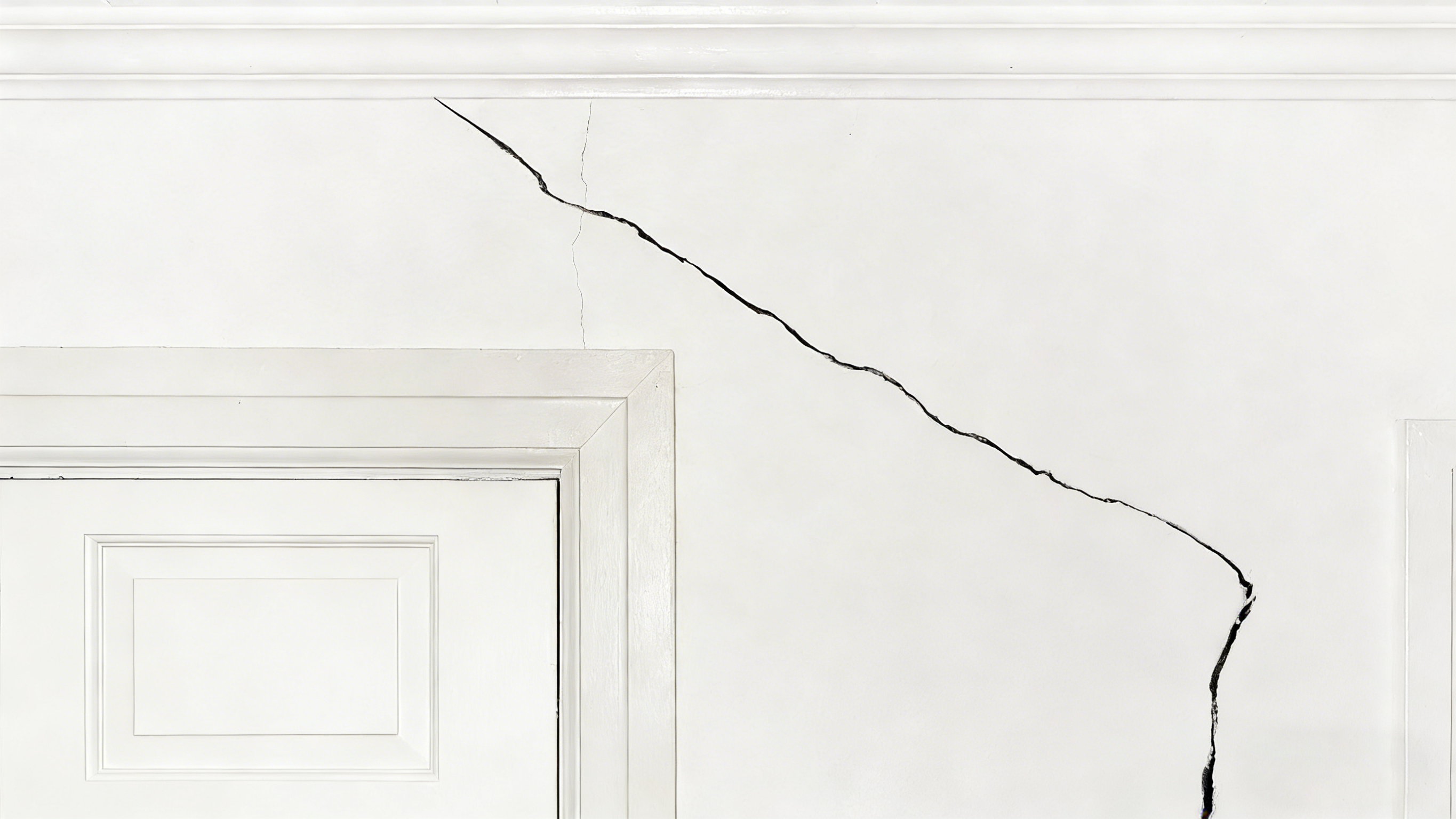
Everything You Need to Know About Cracked Walls
Cracks in walls are one of the most common issues homeowners notice over time. While some cracks are purely cosmetic, others may indicate movement within the structure of the home. Understanding why wall cracks occur and how to address them can help you determine whether a simple repair is enough or if professional attention is required.
In this guide, we’ll explain the common causes of cracked walls, how to assess their severity, and the best ways to fix them.
Why Do Walls Crack?
Wall cracks usually occur due to movement, stress, or changes in materials over time. Homes naturally expand and contract with temperature and moisture changes, which can place pressure on walls and finishes. Common causes include:
-
Natural settling of a new home
-
Temperature and humidity changes
-
Structural movement or foundation shifts
-
Poor installation or insufficient fixing
-
Material shrinkage in plaster or joint compounds
Understanding the cause is the first step toward choosing the right repair method.
Types of Wall Cracks and What They Mean
Hairline Cracks--- these are thin, shallow cracks often found in plasterboard or painted surfaces. They are usually cosmetic and caused by minor movement or material shrinkage.
Vertical or Diagonal Cracks---these cracks may appear near doors, windows, or corners. They can be caused by structural movement or stress around openings and should be monitored closely.
Wide or Growing Cracks---Cracks that widen over time or reappear after repair may indicate ongoing structural issues and should be assessed by a professional.
How to Assess the Severity
Before repairing a cracked wall, take time to evaluate:
-
Crack width – Is it hairline or wide enough to insert a coin?
-
Location – Near openings, ceilings, or load-bearing walls?
-
Movement – Does the crack change over time?
-
Pattern – Straight, stepped, or diagonal?
If cracks continue to grow, professional advice is recommended.
How to Fix Minor Wall Cracks
1. Fill and Sand Hairline Cracks. For small cosmetic cracks:
-
Clean the area thoroughly
-
Apply a flexible filler or joint compound
-
Sand smooth once dry
-
Repaint the surface
This method is ideal for minor plasterboard or render cracks.
2. Reinforce with Joint Tape. If cracks reappear after filling, reinforcement may be required:
-
Apply joint tape over the crack
-
Cover with compound in thin layers
-
Sand and finish smoothly
This helps absorb minor movement and prevents future cracking.
Solutions for More Serious Cracks
3. Repair or Replace Damaged Wall Sections. For larger cracks or damaged boards:
-
Remove affected plasterboard sections
-
Check framing and fixings
-
Install new boards using correct fasteners
-
Finish with joint compound and tape
This approach provides a more permanent repair.
4. Address Underlying Structural Issues
If cracks are caused by structural movement, cosmetic repairs alone won’t last. A builder or structural professional may need to assess:
-
Wall framing
-
Foundations
-
Load distribution
Fixing the underlying issue is essential before repairing the surface.
When to Call a Professional
You should seek professional advice if:
-
Cracks continue to widen
-
Multiple cracks appear in different areas
-
Doors or windows begin to stick
-
Cracks appear suddenly or after heavy weather
Early assessment can prevent more costly repairs later.
Final Thoughts
Cracked walls are common, but not all cracks are cause for concern. By understanding the type of crack and addressing it correctly, you can maintain both the appearance and integrity of your home. Using quality materials and proper installation methods makes a significant difference in long-term performance.
Whether you’re carrying out minor repairs or planning a full renovation, choosing the right wall systems, fixings, and finishing materials will help ensure lasting results.