



Types of Fasteners and Where to Use Them (Builder’s Guide)
Choosing the right fastener is just as important as choosing the right material.
Use the wrong fixing, and you risk callbacks, failures, or costly rework.
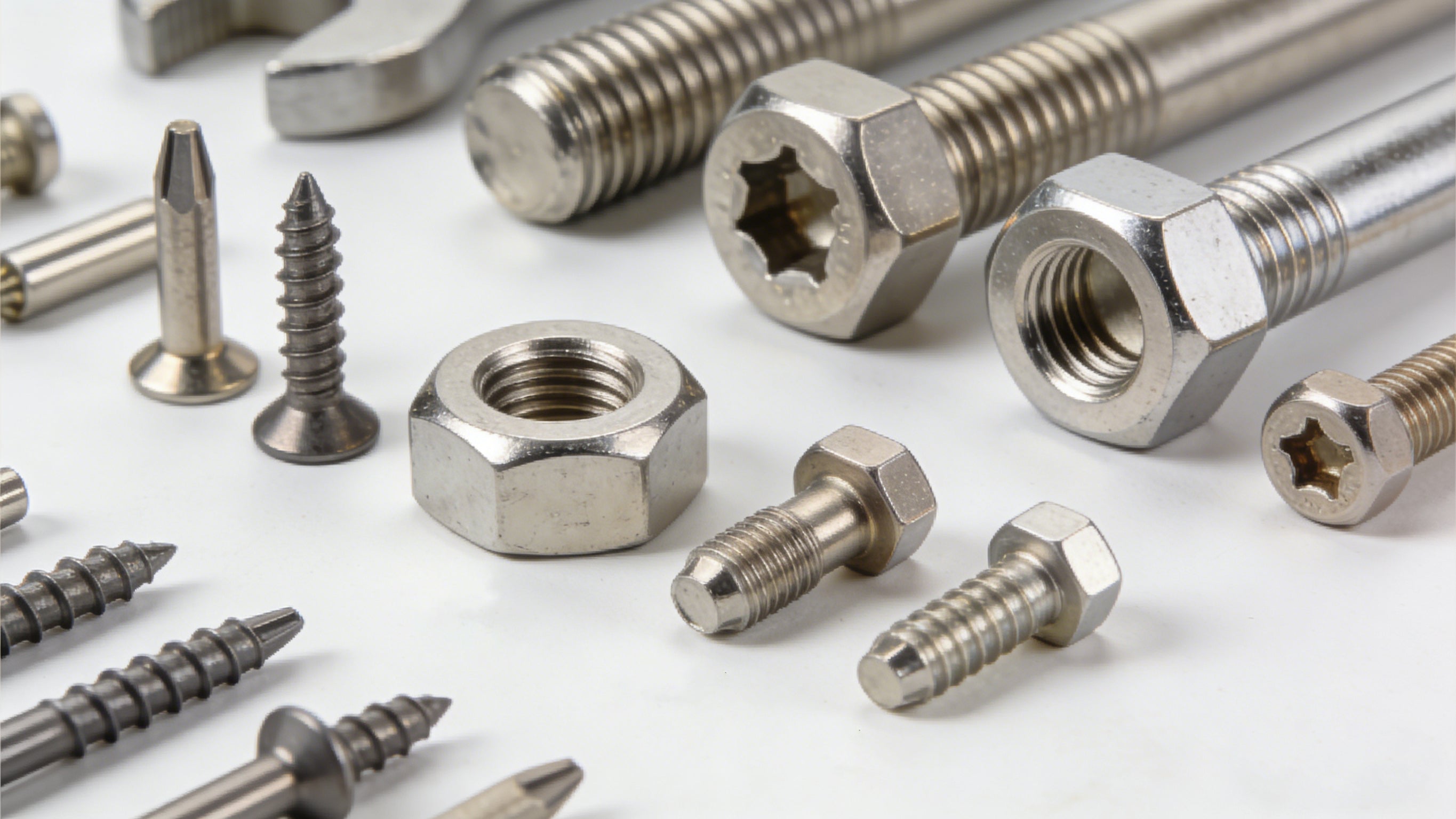
This guide breaks down the most common fastener types and explains where each one works best on site.
1. Screws – The Go-To Fastener for Most Jobs
Best for: Timber, light steel, plasterboard, general construction
Common types:
-
Wood screws – Timber framing, joinery, cabinetry
-
Self-drilling screws (Tek screws) – Steel-to-steel or steel-to-timber
-
Plasterboard screws – Fixing plasterboard to timber or steel studs
2. Nails – Fast and Efficient for Structural Work
Best for: Framing, decking, high-speed installation
Common types:
-
Common nails – Structural timber framing
-
Clout nails – Roofing, fiber cement sheets
-
Decking nails (twisted / ring shank) – Outdoor decking
When nails make sense:
-
Faster installation (especially with nail guns)
-
Better flexibility under load
-
Cost-effective for large-scale work
3. Bolts & Nuts – Heavy-Duty Structural Fixings
Best for: Structural steel, heavy timber connections, machinery fixing
Common types:
-
Hex bolts – Steel structures, posts, beams
-
Coach bolts – Heavy timber-to-timber connections
-
High-tensile bolts – Load-bearing applications
Key advantage:
-
Extremely high strength
-
Can handle vibration and heavy loads
4. Anchors – Fixing Into Concrete & Masonry
Best for: Concrete, brick, block walls
Common types:
-
Concrete screws – Fast installation, light to medium loads
-
Expansion anchors – Structural fixing into concrete
-
Chemical anchors – Heavy loads, edge-close installations
Typical applications:
-
Wall frames
-
Handrails
-
Brackets and base plates
5. Specialty Fasteners – Built for Specific Conditions
Best for: Outdoor, corrosive, or specialist environments
Examples:
-
Stainless steel fasteners – Coastal and outdoor areas
-
Galvanised fasteners – External timber, treated pine
-
Drywall anchors – Hollow wall fixings
-
Security fasteners – Public or high-risk areas
5. Screws vs Nails – Quick Builder Rule
| Situation | Use |
|---|---|
| Timber framing | Nails |
| Decking | Screws or decking nails |
| Plasterboard | Screws |
| Structural steel | Bolts |
| Concrete fixing | Anchors |
| Outdoor use | Galvanised / Stainless |